MODULE OUTLINE: This module highlights technical and aesthetic design considerations for commercial washrooms. The importance of providing access to public washrooms for the one in five Australian’s living with some type of disability is reflected in the current Australian Standards for disabled access and mobility, and their adoption as deemed-to-satisfy provisions in the Building Code of Australia (BCA). The module reviews design aspects, sustainability concerns, safety issues and access issues. It assesses toilet partition components, washroom accessories and selected material options accounting for compliance, hygiene and maintenance concerns.
Commercial Washroom Design and Construction Challenges – DDA
WITH THE ONGOING UNCERTAINTY SURROUNDING COVID-19 ARCHITECTS ARE DEMANDING MORE ONLINE CPD PRESENTATIONS!
We can convert your existing PowerPoint presentation into a 1 hour audio visual presentation.
Given the circumstances we are all currently facing with the onset of COVID-19 in Australia, the health and wellbeing of our team and the greater community is of the highest importance to us. In accordance with advice provided by the Australian Government Department of Health, we have all have an obligation to operate in a safe working environment at all times. AS such, we are expanding our cpd offerings online to assist Architects to continue their learning remotely.
We are urgently seeking more CPD presentations for online use by architects nationally. The overwhelming consensus from architects is that they would like more CPD’s available online. in2aplearning is able to create an audio video presentation directly from your script ready to be hosted on our online platform. This way architects are able to;
- complete their learning online. All courses are 100% online – no CDs, DVDs or books in the mail, making for a straightforward learning experience
- access all online presentations on any device – on their desktop computer, laptop, tablet or smartphone
- select the module of their choice at anytime that suits their schedule. All they need to do is register for a password (this ensures that only registered architects are permitted access).
- gain knowledge and update their skills
- understand the latest developments and regulatory changes
- receive product information
- obtain 1 formal CPD point, and;
- receive their certificate of completion
Online CPD modules offer an engaging an educational experience which combines text, images, short videos, and a question and answer forum. This format makes the presentation enjoyable and therefore enables the user to retain more information. In addition, all of our online modules are reviewed and amended to ensure that information is current and correct.
You will not only increase your reach with architects nationally, you will also be issued with a monthly report with architects details for your follow up. At in2aplearning, it is important to us that CPD education is easily accessible to Architects from any location at any time.

At this uncertain and unprecedented time due to COVID19, the in2aplearning team would like reassure you that we are well informed and keeping up to date with State and Federal Government guidelines. As such, we are executing business continuity plans to ensure minimal disruption to our services.
Our health is our wealth, and as such we would like to continue with our ‘in-office’ CPD presentations in a webinar format. This means that architects and designers are still able to actively participate in the presentation and engage with the presenter, and also receive their 1 formal cpd point accreditation, whilst restricting contact.
These altered formats will not replace the ‘in-office’ presentations in the long term, rather they are an interim solution to keep business moving.
We would also like to reassure you that for us, it’s business as usual.

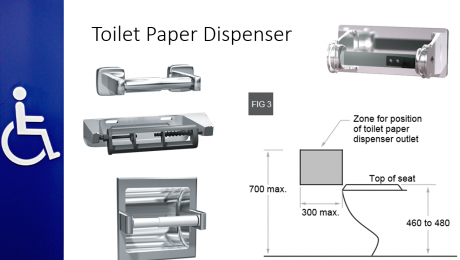
Catering to one of the most basic of human functions, the provision of washroom facilities is something that is required in nearly every public building and space. A well designed washroom where due consideration is given to equity of access, safety, durability, ease of maintenance, aesthetics and layout are the most successful spaces for users, specifiers, maintenance teams and building owners alike.
More than 20% of Australians today have long-term disability. As the population ages, this number is likely to increase.
As designers we can go beyond just complying with the current regulations. We can have a wider vision of tomorrow where quality of life will improve and legislation is likely to reflect and support such change.
Sustainable thinking and following universal design principles could minimise too many costly alterations in the future for all buildings and amenities to remain modern and up to date.
Consider specifying adjustable fixtures and fittings (if budget permits) that allows for adjustments to suit various users and for the “future proof” of the amenity.
Designing accessible and sustainable spaces not only empowers all users but is now a must for commercial spaces. When designing commercial washrooms, you should consider the following:
- How to lay out the restroom most efficiently. Which layout will serve the most users and comply with national standards.
- Whether to automate the restroom or not. Automating faucets, soap dispensers and hand dryers can be more hygienic and save energy and maintenance costs.
- Which varieties of products to use. Restroom components such as sinks, faucets, soap dispensers and hand dryers can be coordinated by style and finish.
- What materials to use. Materials should be stain-, chemical-, scratch- and impact-resistant to stand up to demanding commercial environments.
- What products are most cost effective. Some products may cost more up front but result in lower costs over the lifetime of the product.
- Environmental sustainability. Has water conservation been addressed? Have you considered natural or LED lighting and lighting sensors and timers? Are you specifying sensor activated flushing toilets and tapware? Have you considered restricted flow dispensers for toilet roll holders and soap dispensers?
- Are you considering gender neutral facilities?
Public toilets are service and maintenance intensive and can represent significant capital investment and recurring expenses. Washroom accessories must be robust, appropriate to the locality and easy to clean. Initial cost savings in specifying less expensive and durable materials will inevitably be outweighed by future maintenance costs.
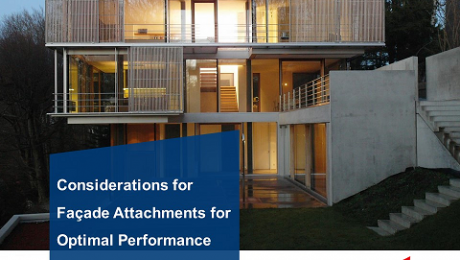
As building design evolves to meet changing requirements for comfort, function and energy efficiency, concerns for climate change in Australia and indeed worldwide has further emphasized the value of building energy efficient buildings.
| BOOK NOW FOR YOUR IN-HOUSE PRESENTATION – MORNING TEA – LUNCH – AFTERNOON TEA |
FEBRUARY 13th Thursday → Sydney → Morning Tea/Lunch/Afternoon Tea 14th Friday → Sydney → Morning Tea/Lunch/Afternoon Tea 26th Wednesday → Brisbane → Morning Tea/Lunch/Afternoon Tea 27th Thursday → Brisbane → Morning Tea/Lunch/Afternoon Tea |
MARCH 3rd Tuesday → Melbourne → Morning Tea/Lunch/Afternoon Tea 4th Wednesday → Melbourne → Morning Tea/Lunch/Afternoon Tea 10th Tuesday→ Perth → Morning Tea/Lunch/Afternoon Tea 11th Wednesday → Perth → Morning Tea/Lunch/Afternoon Tea 12th Thursday → Adelaide → Morning Tea/Lunch/Afternoon Tea 13th Friday → Adelaide → Morning Tea/Lunch/Afternoon Tea |
Call or email to book your presentation
cp*@***************om.au
+61 9646 1007
Continuing Professional Development (CPD) is classified as any learning that enhances an Architects knowledge and skills within the profession for the advancement of architecture, society and environment. However, not all presentations are alike, some are marketed as “CPD” presentations, but are quite simply a sales strategy. Well as we know, this doesn’t cut it with architects or with the ARBV. According to the ARBV, its purpose is to “protect the community interest and instil confidence in the regulation, integrity, and delivery of architectural services”, therefore there have been changes to the national model of CPD.
In2aplearning services include;
- Research and Development of a CPD programme
- Updating one of your existing CPD programmes
- Providing online CPD programmes to architects nationally
- In-house appointment setting
We are experienced in the area of CPD development and we have a strong understanding of the national educational guidelines. We understand what actually constitutes a comprehensive and informative, CPD presentation that not only meets, but exceeds industry standards.
Explore the potential problems with; Indoor air quality, poor acoustics and thermal comfort.
These factors impact the health of our homes as well as our own physiological and mental health in either positive or negative ways.
With thoughtful design and product specification you can ensure optimal occupant health and safety.
…
..
.
BOOK NOW FOR YOUR IN-HOUSE PRESENTATION
– MORNING TEA – LUNCH – AFTERNOON TEA
November: Melbourne 4th – 8th
Sydney 14th – 15th
Melbourne 18th – 22nd
Brisbane 25th – 26th
December: Melbourne 2nd – 13th
Brisbane 16th – 17th
Call or email to book your presentation
+61 9646 1007
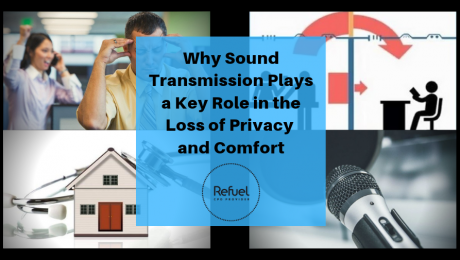
Acoustic Materials in the Design of Sound Acoustic Spaces
Learn about the two types of transmission; Airborne sound, Impact sound and the role of assemblies.
BOOK NOW FOR YOUR IN-HOUSE PRESENTATION
– MORNING TEA – LUNCH – AFTERNOON TEA
October: Hobart 22nd – 24th
November: Hobart 5th – 7th
Sydney 11th – 15th
Melbourne 19th – 21st
December: Brisbane 3rd – 5th
Sydney 9th – 13th
* If you have completed version 1 of the Acoustic Materials in the Design of Sound Acoustic Spaces CPD, we invite you to take part in version 2 ‘Transmission’ sponsored by Acoustica.
Call or email to book your presentation
+61 9646 1007
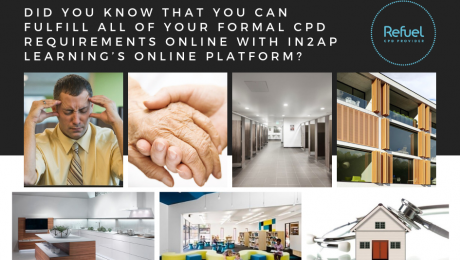
IN2AP Learning’s Online Learning is a leading Australian platform for Architects to earn formal CPD. It allows you to update your skills, claim Continuing Professional Development (CPD) hours and points and assists you with understanding the latest developments in products and any regulatory changes.
The range of online courses provides you with the opportunity to learn from home, or on the move, at a time that suits you. IN2AP Learning’s Online Learning Platform gives you access to learning material that suits your interests and allows you to share your knowledge with others.
- Should you choose to earn CPD knowledge and points online, all courses are 100% online – no CDs, DVDs or books in the mail making for a straightforward learning experience
- Complete an online module on any device – on your desktop computer, laptop, tablet or smartphone
- Select the module of your choice at anytime that suits your schedule – everything is available 24/7. All you need to do is register for a password.
Our online CPD modules offer an engaging an educational experience which combines text, images, short videos, interviews, a question and answer forum and other such interactions. Our format makes our presentations enjoyable and therefore enables you to retain more information. In addition, all of our online modules are reviewed and amended to ensure that information is current and correct.
At IN2AP Learning, we offer CPD online modules that cover all of the core competency areas. Choose one or ten modules depending on your requirements. It is important to us that our CPD modules are easily accessible from any internet connected mobile device as well as ensuring accessibility to Architects in rural areas.
Need Formal CPD Points?
IN2AP Learning has a range of formal CPD modules to suit our specifiers.
Click Below or Call Now! – 03 9646 1007
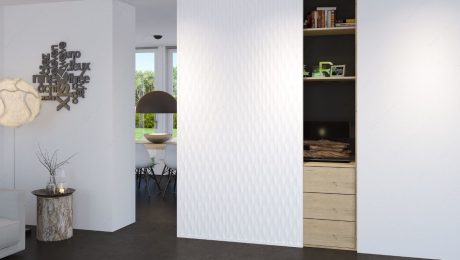
HAWA
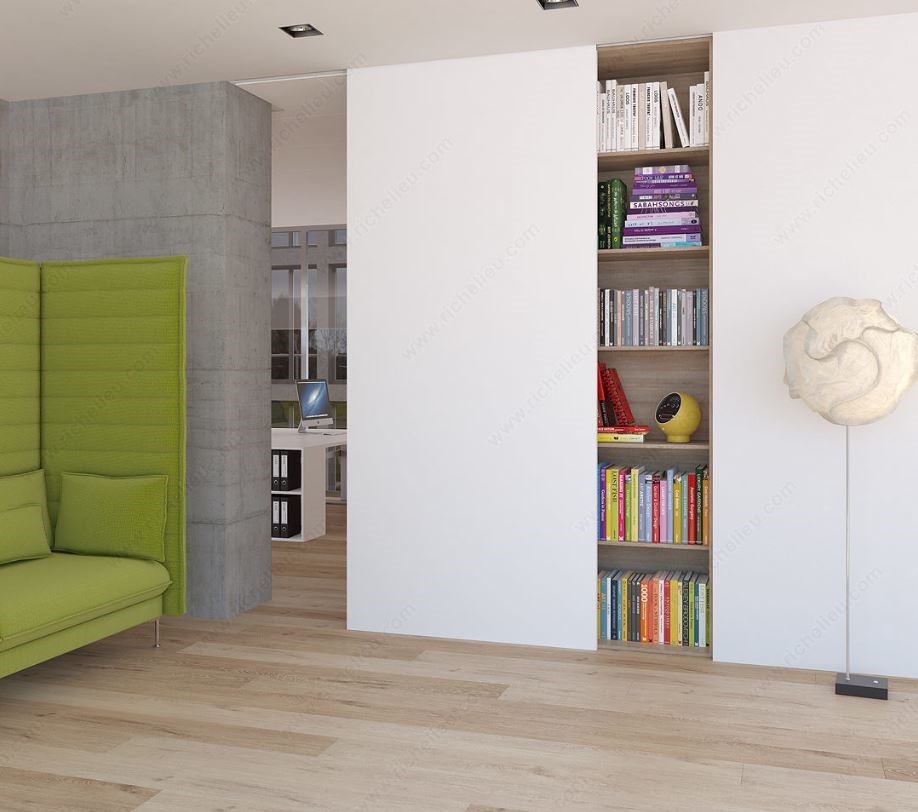
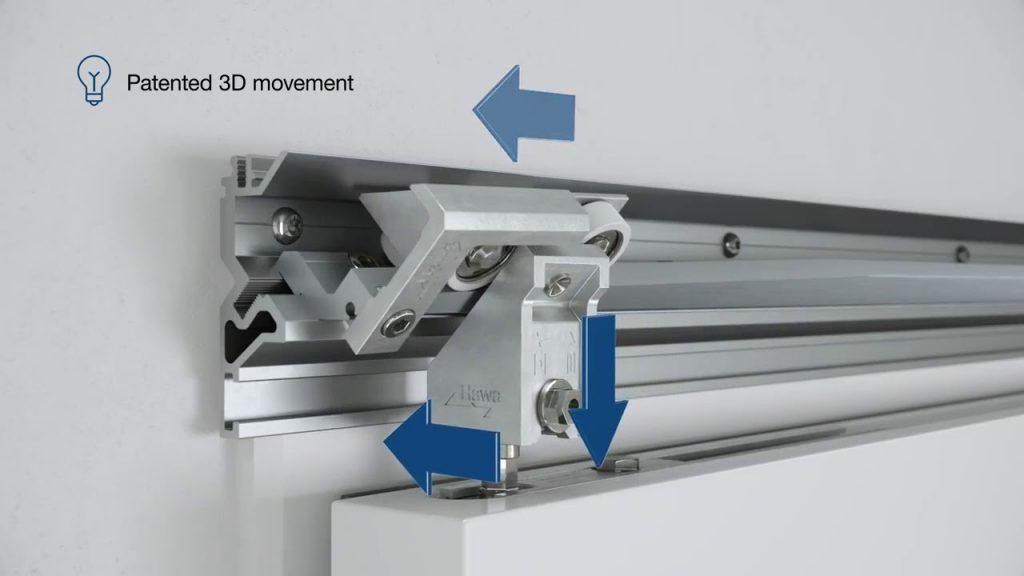
Spatial relationships within residential architecture address a significant proportion of daily life. Sliding solutions enable the space to be redefined and provide unlimited options for developing and successfully implementing new ideas for architecture and design. Access for light, air and people must be created and implemented in every building and room. Sliding solutions are the superior approach for aesthetic, functional and cost effective design.